
PA12 Nylon vs traditional polymer manufacturing – what NZ manufacturers need to know
When NZ manufacturers start exploring additive manufacturing for the first time, one of the first questions they ask is: what's the material actually like? Can it perform in a real product environment? How does it compare to what I'm used to?
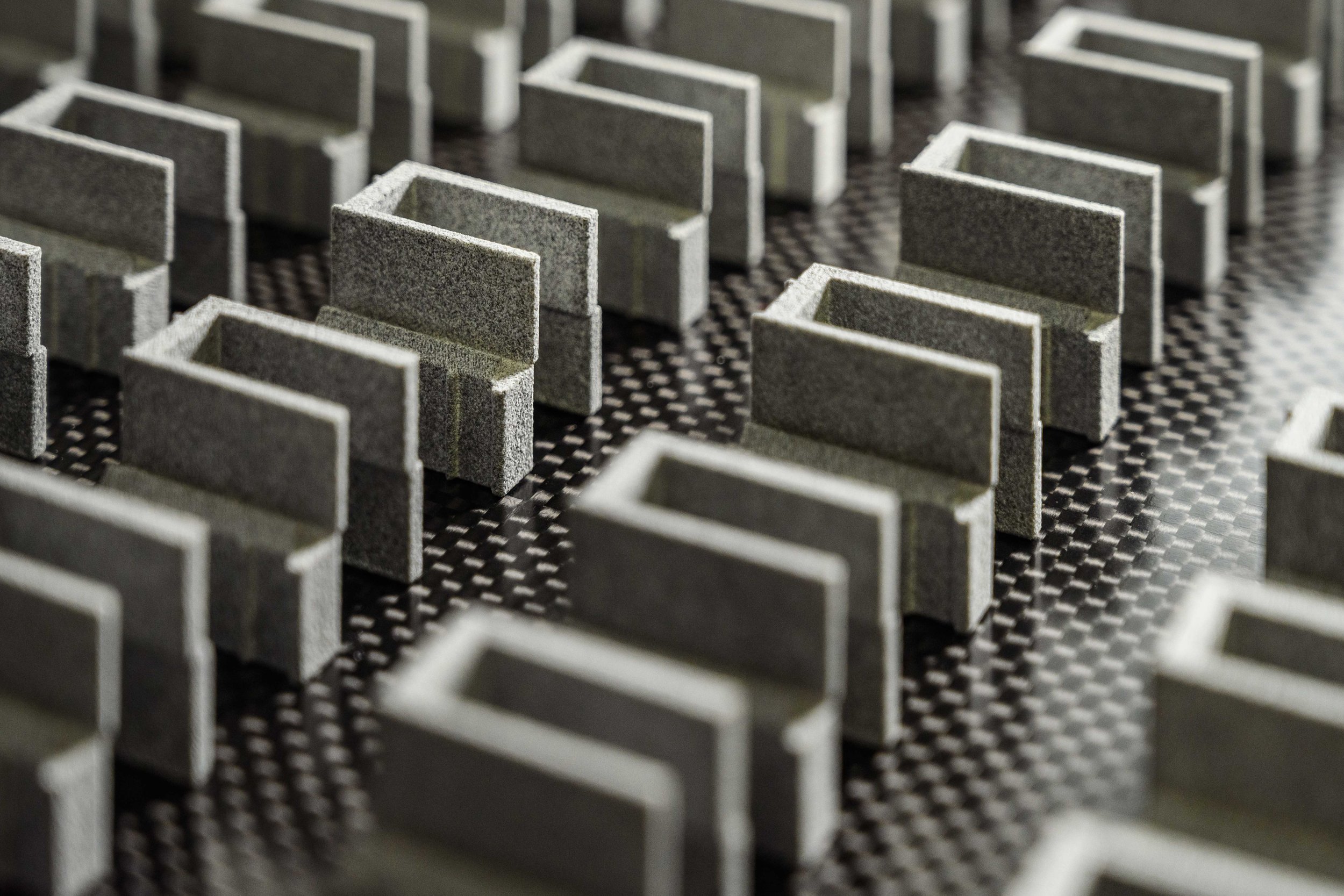
These are exactly the right questions to ask. Material choice is critical in any manufacturing process – and understanding what PA12 Nylon can (and can't) do will help you decide whether additive manufacturing is the right route for your product.
What is PA12 Nylon?
PA12 is a high-performance engineering polymer – part of the polyamide (nylon) family – known for its excellent balance of mechanical properties, chemical resistance and long-term stability. When produced through HP's Multi Jet Fusion process, PA12 parts are built layer by layer from fine powder, fused together using thermal energy and binding agents to create dense, functional components.
The result is a material that performs well across a wide range of real-world applications – not a prototype-grade plastic, but a genuine engineering material suited to end-use parts.
How does it compare to injection moulded polymers?
This is where it gets interesting for manufacturers who are used to specifying injection moulded parts.
Mechanical performance — PA12 produced through HP MJF delivers tensile strength, elongation at break and impact resistance that is comparable to many injection moulded nylon parts. It's not identical – the layer-by-layer build process means properties can vary slightly in different orientations – but for the vast majority of functional applications, the performance is more than adequate.
Surface finish — Out of the machine, MJF PA12 parts have a slightly grainy surface texture. Our finishing process (polymer blasting) significantly improves this, producing a smooth, consistent surface that looks and feels like a manufactured product. Colour options – black, dark blue or standard grey – are applied through the same process.
Dimensional accuracy — HP MJF produces parts with tight tolerances, making it well suited to components that need to fit, assemble or interface with other parts. For most engineering applications, the accuracy is comparable to injection moulding.
Chemical and UV resistance — PA12 offers good resistance to oils, fuels, greases and many solvents. It's not the optimal choice for prolonged outdoor UV exposure – for those applications, ASA or PETG are better alternatives from our materials range.
Temperature resistance — PA12 performs well in ambient and moderate temperature environments. For high-heat applications, PAHT or PC variants offer better thermal stability.
When injection moulding still wins
It's worth being straightforward about this: if you're producing tens or hundreds of thousands of identical parts and your design is finalised, injection moulding will almost always be more cost-effective per unit. The tooling investment pays off quickly at high volume, and cycle times are very fast.
Additive manufacturing with PA12 makes the most sense when you're at lower volumes, still refining your design, need speed to market, or need the flexibility to adjust your product between runs.
The real-world answer
For NZ manufacturers producing polymer products in the early stages of market development – or producing low volumes for niche, high-value markets – PA12 through HP MJF is a highly capable, commercially proven material that can carry a product all the way from prototype to market with confidence.
If you're unsure whether PA12 is right for your specific product, our team is happy to talk through your requirements and recommend the best material from our full range.
